A Trip to Visit An Ancient House I Remembered Forever
Today truly felt like winter had arrived, not in a dramatic way, but in a quiet, steady way that made everything move slower. The air outside felt heavier, and even the light coming through the windows seemed softer and shorter. It was one of those days when I knew I would not get much done,…
Today truly felt like winter had arrived, not in a dramatic way, but in a quiet, steady way that made everything move slower. The air outside felt heavier, and even the light coming through the windows seemed softer and shorter.
It was one of those days when I knew I would not get much done, and honestly, I did not want to. I made a cup of tea, pulled a thick blanket around my shoulders, and settled into my reading nook, the small corner of the house that always feels like it is waiting for moments like this.
When winter comes, I naturally turn inward. I stop thinking about rearranging furniture or buying something new, and instead I start thinking about why certain spaces make me feel calm.
That is why today I reached for a book about ancient architecture. I just wanted to understand how people used to build homes that could carry memory, weight, and time without needing to be updated every few years.
A Sentence That Opened an Old Door in My Mind
As I was reading, I paused at a sentence that felt simple but honest: “People aren’t making interiors like this anymore,” wrote designer Colin Stief.
I remember staring at that line for a long moment. Without planning to, my thoughts drifted back to a memory I had not visited in a long time.
I remembered my first year at university, when everything still felt uncertain and new. I was a freshman, still trying to understand what I was studying and whether I had chosen the right path.
Near the end of the semester, our professor announced that instead of a normal written final exam, we would take a field trip to an old historic house. We were told to observe, sketch, and later write about what we felt and noticed.
At the time, it sounded inconvenient and tiring, but that visit ended up shaping how I see houses even now.
The Day We Visited the Old House
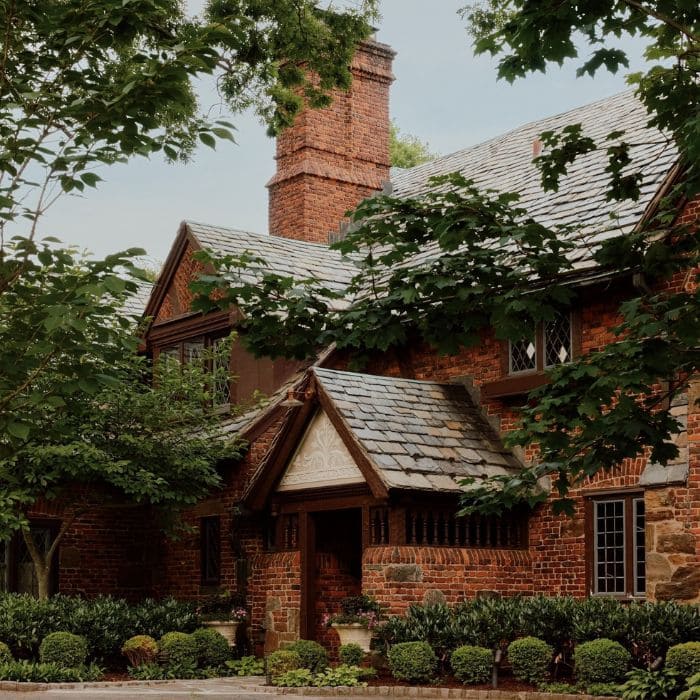
The house was not lived in anymore, it stood quietly behind tall trees, almost hidden, as if it was trying not to draw attention to itself. We arrived early in the morning, carrying notebooks and cameras, some of us still half asleep.
I remember the guide unlocking the heavy wooden door slowly, the sound echoing slightly in the quiet air. When we stepped inside, everything changed.
The temperature dropped a little, and the air felt still, almost thick. It did not feel empty, even though no one lived there anymore.
The floors creaked softly under our steps, and the walls felt solid in a way modern walls rarely do.
How the Structure Made Us Slow Down
What stayed with me most was how the house controlled our movement without saying a word. Doorways were lower, so everyone instinctively bent their heads when passing through.
Hallways were narrow, which made us walk slower and closer together. The ceilings were not high everywhere, but when they opened up, it felt intentional, almost ceremonial.
Our professor asked us to notice how the structure changed our behavior. We spoke more quietly. We moved with care.
The house did not allow rushing and it demanded respect simply through its shape and layout. That was the first time I understood that architecture is not just about how a space looks, but about how it tells you to live inside it.
Colors That Felt Earned, Not Chosen
The colors inside the house were calm and deep. Dark wooden beams crossed the ceilings, their surfaces uneven and marked by time.
The walls were soft cream, warmed by age rather than paint trends. Brick appeared where it was needed, not hidden or polished, but left honest and exposed.
Nothing matched perfectly, but everything belonged together. The colors looked like they had grown old side by side, adjusting to each other over decades.
Standing there, I realized how different this felt from many modern homes, where colors are often chosen quickly and replaced just as fast. This house showed me that beauty can come from letting things stay.
The Dining Room That Felt Like a Heart
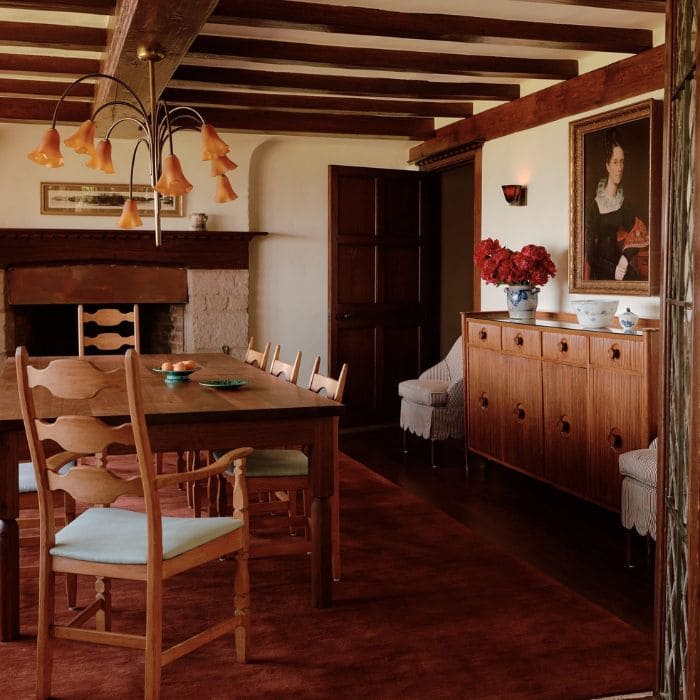
The dining room is the space I remember most clearly as it was not large, but it felt important.
A heavy wooden table sat in the center, worn and scratched, surrounded by simple chairs that did not match exactly. A fireplace stood nearby, not decorative, but clearly built for warmth and use.
I imagined long meals there, plates passed back and forth, conversations stretching late into the night. That room taught me something I still think about today. Dining rooms used to be about gathering, not styling.
Windows That Framed Life Gently
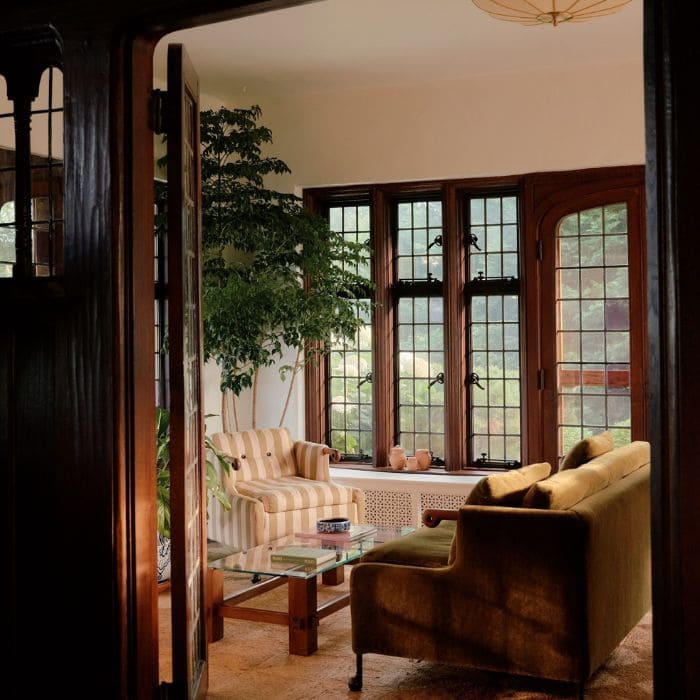
The windows were small compared to modern standards, divided into sections by wooden frames.
The light coming through them did not flood the room. It rested there gently, creating shadows instead of washing everything out. Looking outside, you could see trees, parts of the garden, small pieces of the world beyond the glass.
That soft light made the rooms feel calm and safe. It reminded me that light does not need to be dramatic to feel warm. Sometimes, a little light held in the right way is enough.
A Bathroom That Feels Like a Quiet Morning Ritual
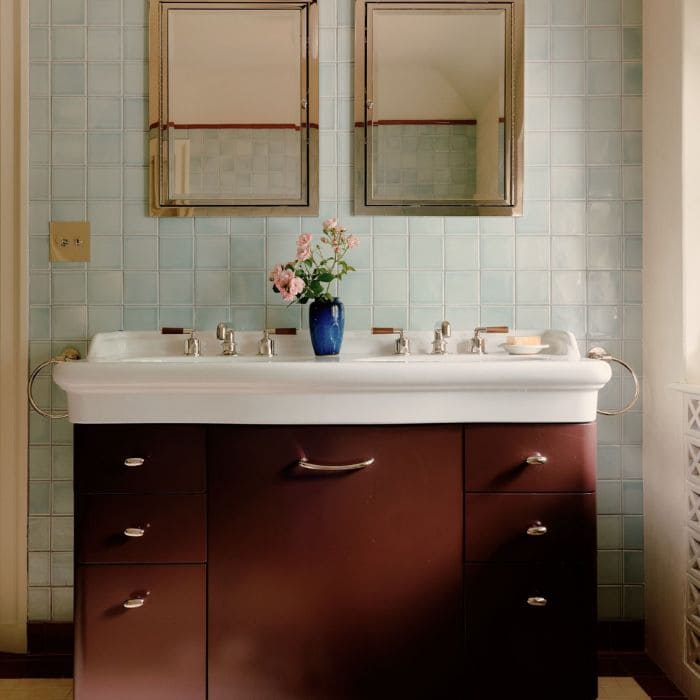
The soft blue tiles immediately made me think of early mornings, when the house is still quiet and the light comes in slowly, not demanding anything from you.
I stood there longer than I needed to, noticing how the tiles were not shiny or perfect, but slightly muted, almost cloudy, like they had lived a life already.
What I loved most was how practical everything felt. The double sink was not about luxury, but about routine, about two people getting ready side by side without rushing each other. The mirrors were simple and honest, not oversized, not decorative, just enough to reflect who you are at that moment.
I imagined washing my face there in winter, hands cold at first, then warming as the day slowly begins. This kind of bathroom teaches me that comfort does not come from trends, but from choosing materials that age well and colors that never shout.
If I ever redo my own bathroom, I would remember this feeling and try to create a space that lets mornings unfold gently, not hurried.
A Study That Holds Time Still
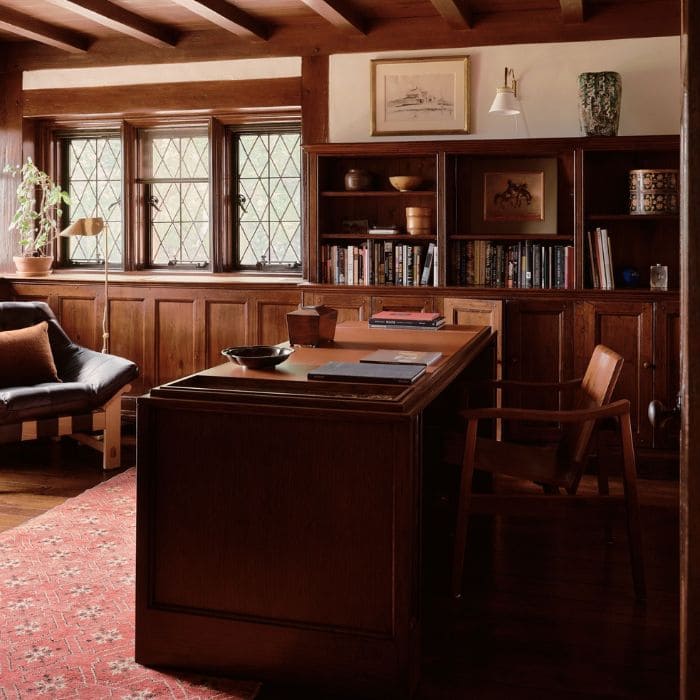
This study feels deeply rooted in an older way of living, the kind of space that draws inspiration from early twentieth-century Arts and Crafts interiors, when rooms were built to last and furniture was chosen for decades, not seasons.
The heavy wood, the built-in shelves, and the low, steady ceiling all point to a time when craftsmanship mattered more than decoration.
What stands out most is how the structure of the room shapes the mood. The exposed beams lower the visual height just enough to make the space feel protected, almost like it is holding you inside it.
This was common in traditional studies and libraries, where the goal was not openness but concentration. The dark wood absorbs light rather than reflecting it, encouraging slower movement and longer pauses.
I kept thinking about how different this feels compared to modern home offices, which are often bright, minimal, and designed for speed.
If I ever try to bring something like this into my own home, it would not be about copying the look exactly.
It would be about borrowing the idea behind it, choosing fewer materials but better ones, allowing darker tones to exist without fear, and creating at least one room that feels separate from the noise of daily life.