The Style Keeps Me Back to The Mid-Century
It was one of those winter nights when the house is already quiet before you even realize the day is over. We were in bed earlier than usual, the room dim except for the small lamp on Dan’s side, and the weight of the blankets made everything feel slower. Dan was lying next to me,…
It was one of those winter nights when the house is already quiet before you even realize the day is over. We were in bed earlier than usual, the room dim except for the small lamp on Dan’s side, and the weight of the blankets made everything feel slower.
Dan was lying next to me, half reading something on his phone, half drifting off, while I scrolled through Instagram without any real purpose, just letting my thumb move and my mind wander.
Someone had shared a series of home photos, and I stayed there longer than I meant to.
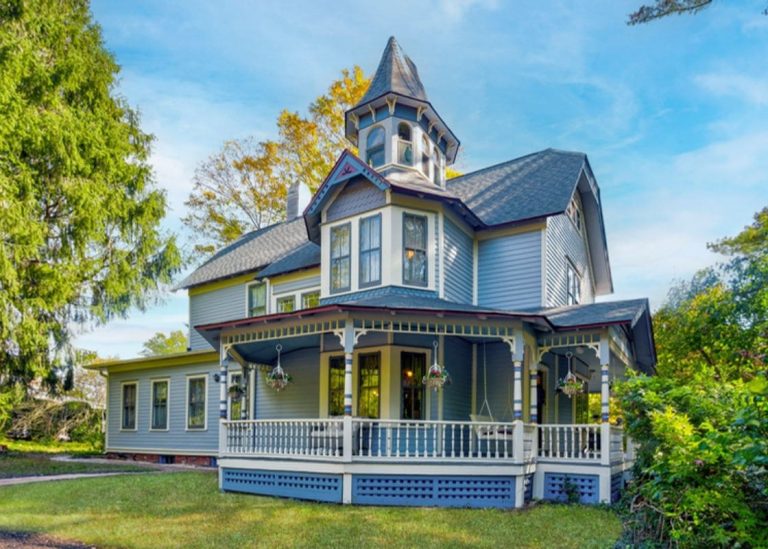
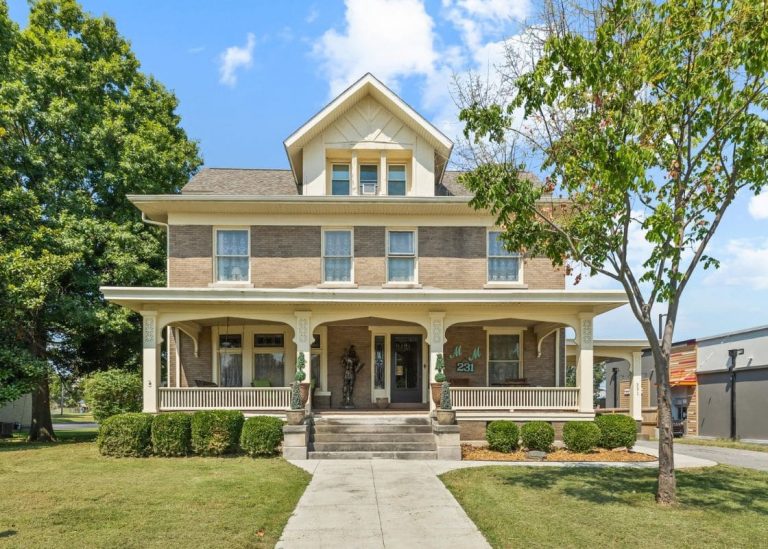
I remember turning my phone slightly toward Dan and saying, almost quietly, “People don’t build homes like this anymore.” He glanced over, not fully awake, but enough to see why I had paused.
Why These Rooms Feel So Steady
What pulled me in first wasn’t the furniture or the decorations, but the way the house was shaped. The arches stood out right away, soft and rounded, guiding you from one room to the next without cutting the space into hard lines.
I’ve always liked arches because they slow you down, even if you don’t notice it happening. They organize a house without closing it off, and they give rooms their own identity while still letting them belong together.
I told Dan that older homes were built this way because structure mattered just as much as appearance. Arches carried weight, framed movement, and created a sense of order that modern layouts often skip in favor of wide, empty openings.
He nodded and said it felt calmer than the open plans we see everywhere now, and I realized that was exactly what I was feeling too.
Colors That Don’t Ask for Attention
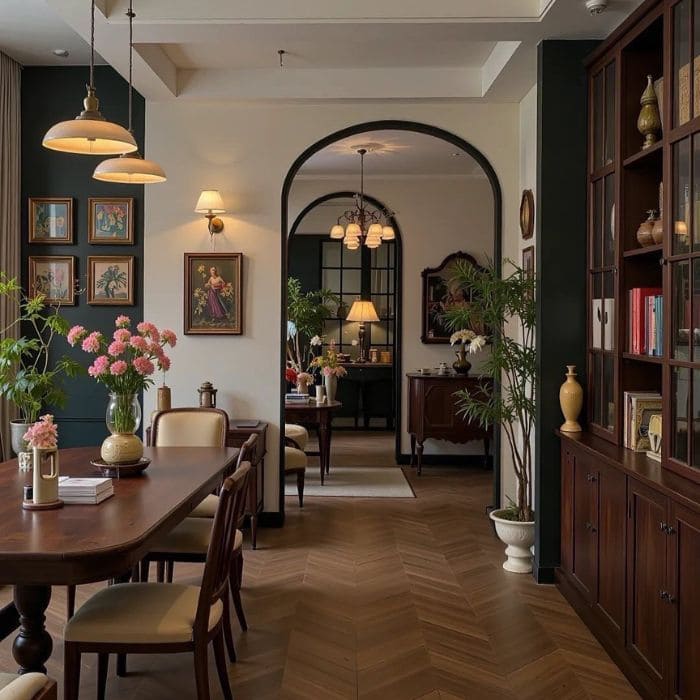
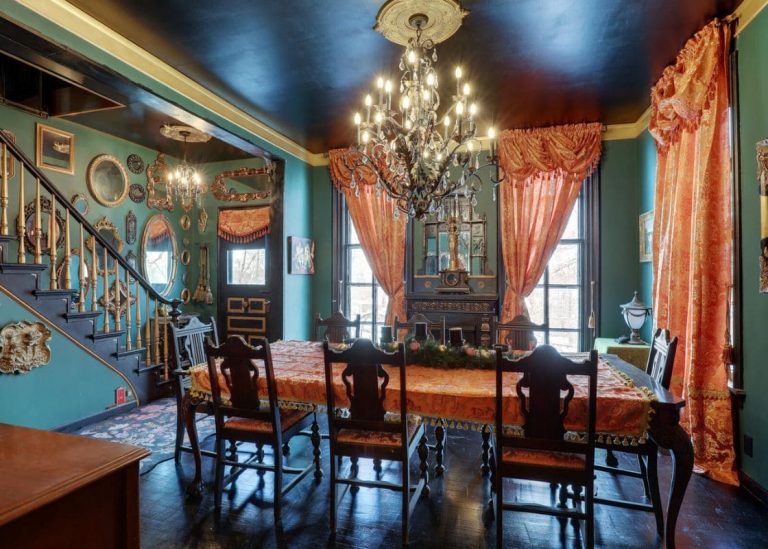
The colors stayed with me longer than I expected. Deep green walls, warm wood floors, soft cream tones, and darker accents that felt grounding instead of heavy.
Nothing looked bright or sharp. Nothing was trying to stand out. The colors blended together in a way that felt natural,like they belonged to the house rather than being added later.
I told Dan that this kind of color choice ages better because it doesn’t chase trends. It reminds me of nature, of forests, soil, and worn wood, colors that don’t need explaining.
A Living Space That Feels Lived In
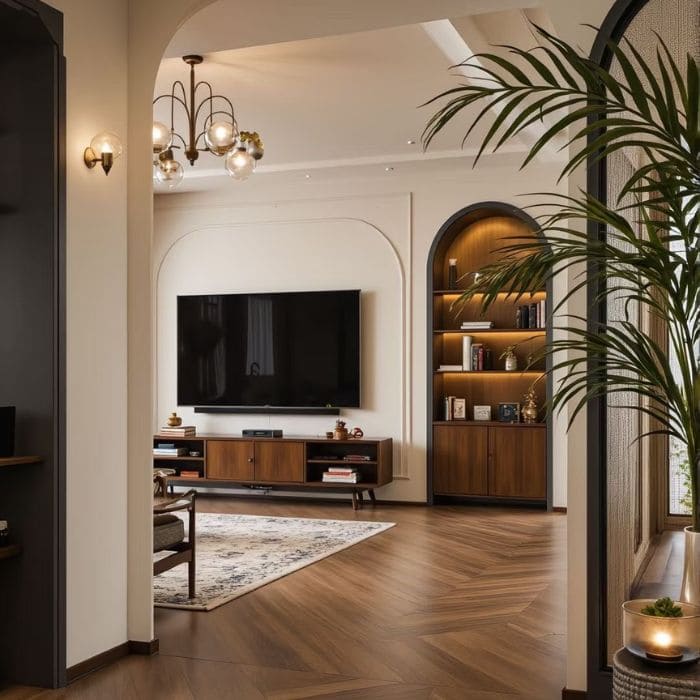
The living room felt designed for everyday life instead of display. Built-in shelves followed the curves of the walls instead of forcing straight lines where they didn’t belong, which told me the architect worked with the structure instead of against it.
This is the kind of space where books stay out instead of being hidden, where lamps get turned on instead of overhead lights, and where people sit longer than they planned.
Dan said it felt like a room where guests would naturally drift into deeper talks without even noticing how it happened.
A Dining Room That Respects Time Together
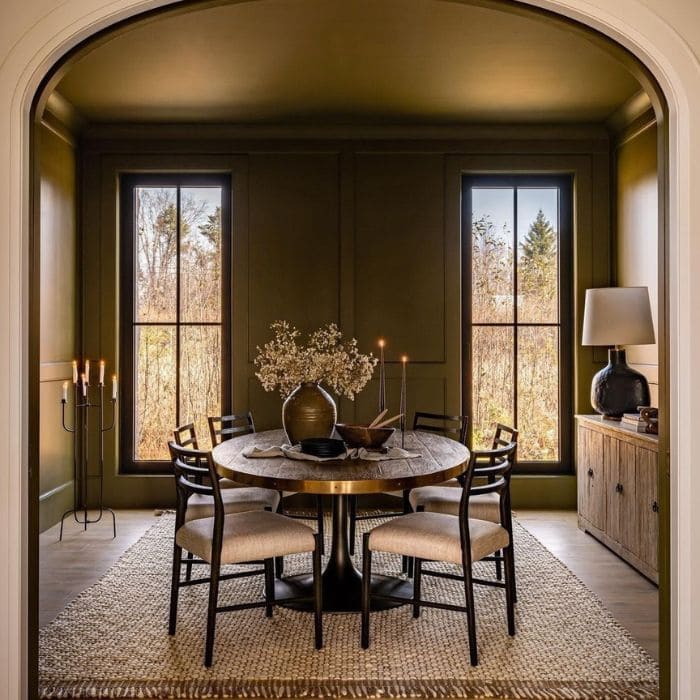
The dining room felt centered around the table, not pushed to the side or treated as an afterthought. The table sat firmly in the middle of the room, surrounded by chairs that looked comfortable and strong, the kind you don’t worry about when someone leans back or stays too long.
The darker wall color made the room feel enclosed in a gentle way, like it was meant to hold conversations rather than echo them. It reminded me of older homes where dining rooms were slightly quieter, slightly dimmer, and built for connection rather than speed.
I told Dan this was the kind of room where meals stretch out, where dessert turns into stories, and where nobody checks the time.
A Bedroom That Understands Rest
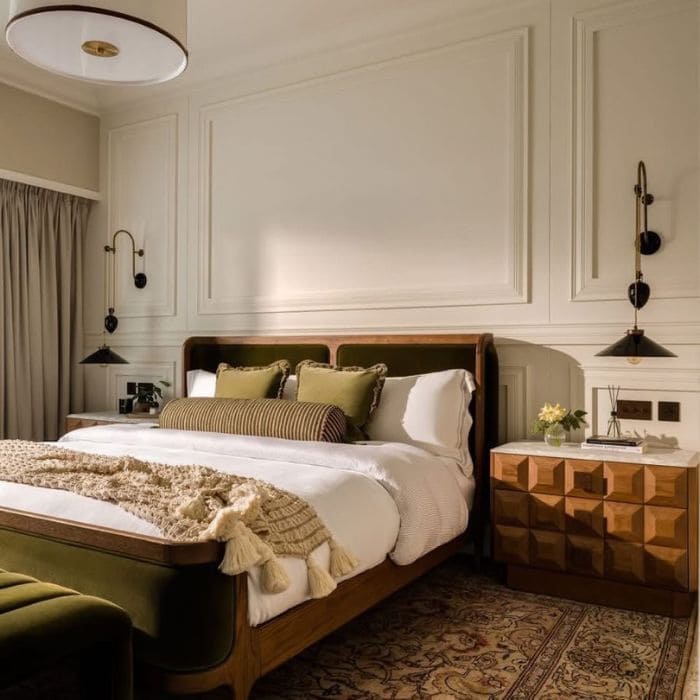
You can see the bedroom felt calm without trying to be minimal. The bed looked solid and welcoming, framed by soft wall details that added depth without clutter.
The colors stayed gentle, letting the room focus on one job, which is giving you a place to rest properly.
There was nothing loud here, nothing demanding attention. The lighting felt warm and practical, the kind that works just as well late at night as it does early in the morning.
A Bathroom That Feels Thoughtful

The bathroom stood out because it felt cared for. The wall design brought in an old-world feeling, almost like stepping into a quiet garden scene instead of a typical bathroom.
The tub was placed with intention, not squeezed between fixtures, and the lighting stayed soft instead of harsh.
I told Dan that spaces like this remind me that even practical rooms deserve attention, and that comfort doesn’t have to be flashy to feel special.
Small Spaces That Still Matter
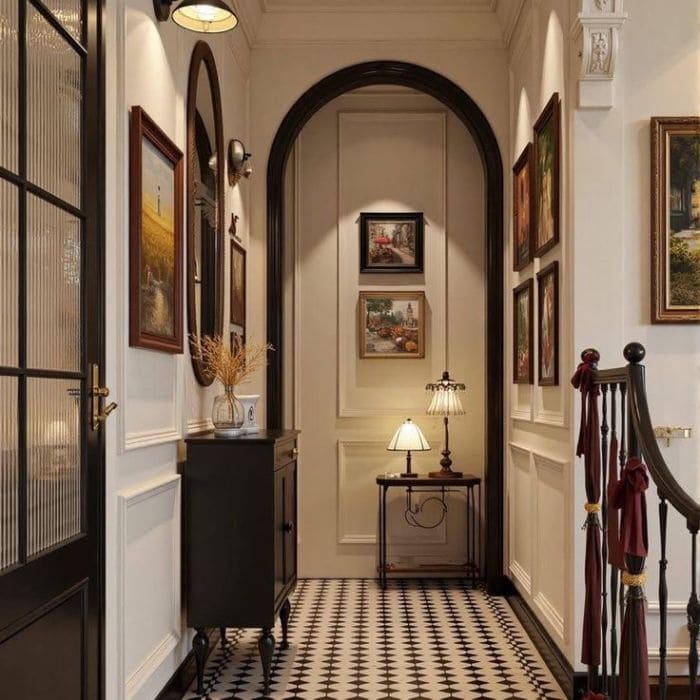
Even the hallway felt important. The patterned floor added movement without noise, and the framed artwork felt personal rather than styled.
Older homes often treat hallways as real spaces, not just paths between rooms, and this one clearly did the same.
These connecting areas felt like pauses rather than shortcuts, and that made the whole house feel slower and more thoughtful.
After a while, I locked my phone and set it on the nightstand. The room felt quieter again, and Dan was already half asleep. I told him if I had a second house, it would be like this.